Enter any two known values and press calculate to solve for the others.
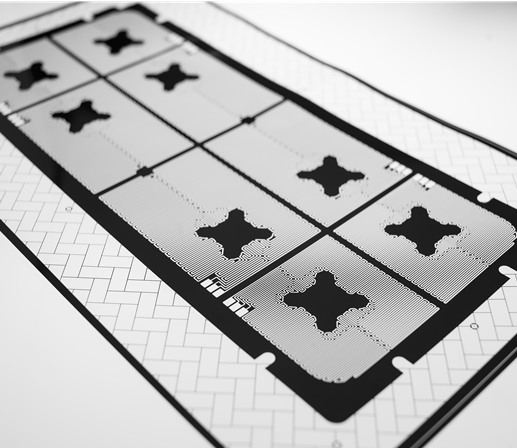
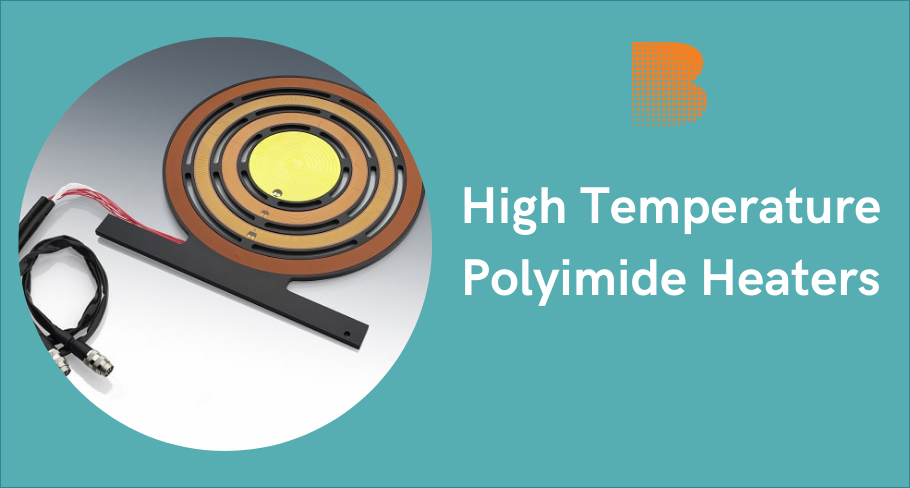
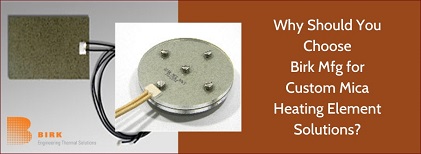
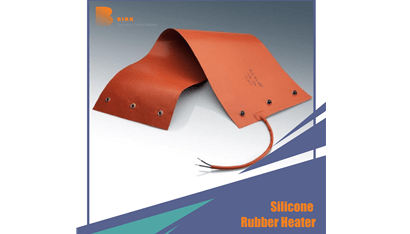
Birk Manufacturing designs thousands of wire and etched-foil circuits each year to meet the specific needs of our customers. We can offer our customers the many features highlighted below.
Holes and Cutouts:
Many times, heaters need to fit around holes and cutouts. Either etched foil or wire circuits can be used to provide heating of only the desired surface area.
Multi-layer Circuits:
Often, we need to maximize surface area to spread the watt density. Multi-layer circuits can be used to fit a high resistance in a small area by putting two circuits in a series. A multi-layer circuit also allows us to put a sensor flex circuit on top of the heater circuit to maximize the heated area.
Sensors and fuses:
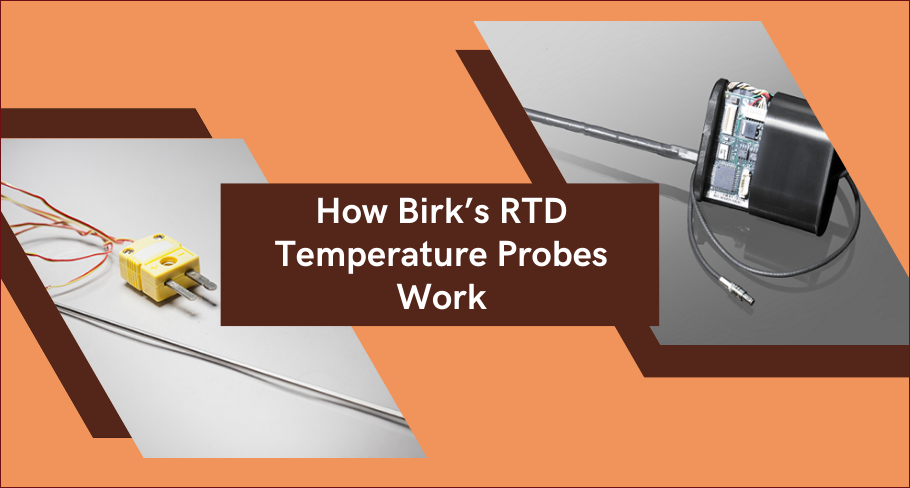
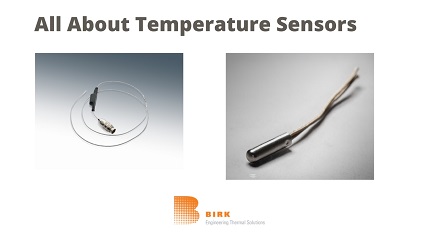
To control heat and temperature limits properly, thermostats, RTDs, thermocouples, thermistors, solid state sensors and fuses are strategically placed within a circuit to achieve the best operating thermal system.
Various Terminations:
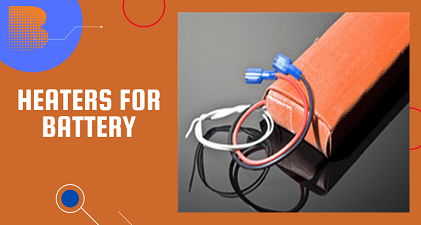
Birk can offer many different terminations, such as soldered connections, welded connections, connectors, pins and zero-insertion-force connections.
Shaded Watt Density:
Different heat intensities in the same circuit can provide even heat across an entire area, and can compensate for cool heat-sink edges.
Dual Voltage Circuits:
A single heater can be designed to operate on more than one voltage through the inclusion of dual circuits with three leads.
Resistance Taps:
Since the heater circuit is a resistor, taps can be taken anywhere along that circuit to provide a given voltage to an LED or other component that requires other than line voltage.
Flex Circuits for Sensors:
Sensors are generally located within a heated area. Non-heated flex circuits can be built into the circuit design to carry sensor signals to instruments.